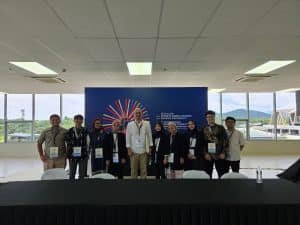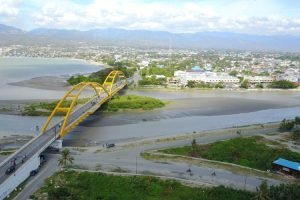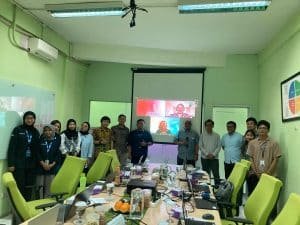

Andy Simarmata as General Rapporteur at ISOCARP 1st International Conference for New Cities, as part of ISOCARP’s 60th World Planning Congress “Planning New Regenerative Cities”
New Clark City, Tarlac, Philippines.
On September 10, 2024, the 1st International Conference for New Cities, part of ISOCARP’s 60th World Planning Congress, officially opened at the Aquatic Center, New Clark City, Philippines. The conference runs from September 10 to 13, 2024, with the theme “Planning New Regenerative Cities.” This event serves as a platform for planners from various countries to exchange ideas on the development of sustainable regenerative cities. Hendricus Andy Simarmata (acting as the General Rapporteur) address ”The City as a Regenerative Organism” in the Opening Plenary, he delivered an insightful keynote address on the importance of urban regeneration. He began with the statement that “Like organisms, cities are born, grow, mature, shrink, die, or disappear.” He illustrated this with examples of ancient cities like Babylon and Constantinople, which have vanished, while other cities like Beijing, London, and New York continue to thrive through ongoing regeneration.
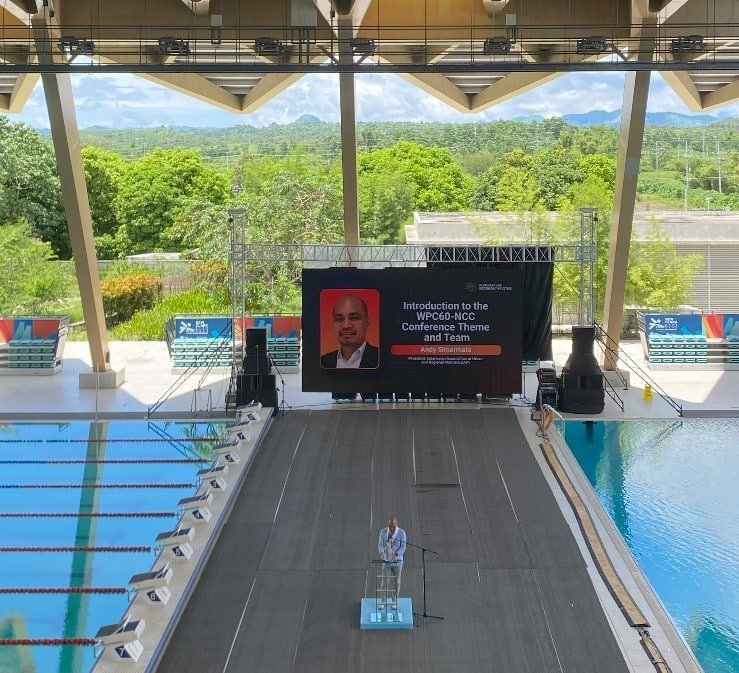
“The ability of a city to regenerate itself is the key to its survival and sustainable growth,” said Andy, while emphasizing the importance of technology in accelerating urban regeneration. One example he highlighted was Shenzhen, which transformed from a small fishing village into a metropolitan city of 17 million people in just 45 years. Andy also stressed that amidst the planetary crises, including biodiversity loss, environmental pollution, and climate change, urban regeneration is more critical than ever. “This is an opportunity for us, as urban and regional planners, to take bolder steps in creating strategies for urban regeneration.”
At the same time, Andy Simarmata introduced five main tracks that will address various important aspects of urban regeneration throughout the conference, which are:
- Planning and Development of New Cities: Navigating the Future
- Planning and Development of Brownfield Cities: A New Dynamic Density
- Climate-Resilient and Adaptive Cities: Adaptive Resource Utilization
- Cities and the Digital Economy: Smart Circular Environments
- New Cities Rooted in Culture and Inclusivity: A New Sense of Place
Andy Simarmata concluded his address by inviting all participants to actively engage in the various sessions prepared, including plenary discussions, parallel sessions, and special events. “Let’s actively contribute to shaping the future of regenerative cities, learning from past experiences, current developments, and future possibilities,” Andy concluded.
In addition to the opening, Andy Simarmata also delivered other key presentations during the conference, such as his keynote titled “From Policy to Action: Mainstreaming Nature-Based Solutions into Urban and Regional Planning.” In this session, Andy emphasized the importance of implementing Nature-Based Solutions (NBS) both in policy and action. He provided an example of how NBS can be incorporated into policy, saying, “A policy brief mainstreaming NBS directed at three target ministries in Indonesia for effective implementation and cross-sector collaboration, integrated into spatial planning documents.”For actionable steps, he highlighted collaboration with local actors, from the government to developers, to create a master plan that prioritizes NBS approaches, such as “bioconnecticity” and Low Emission Zones.
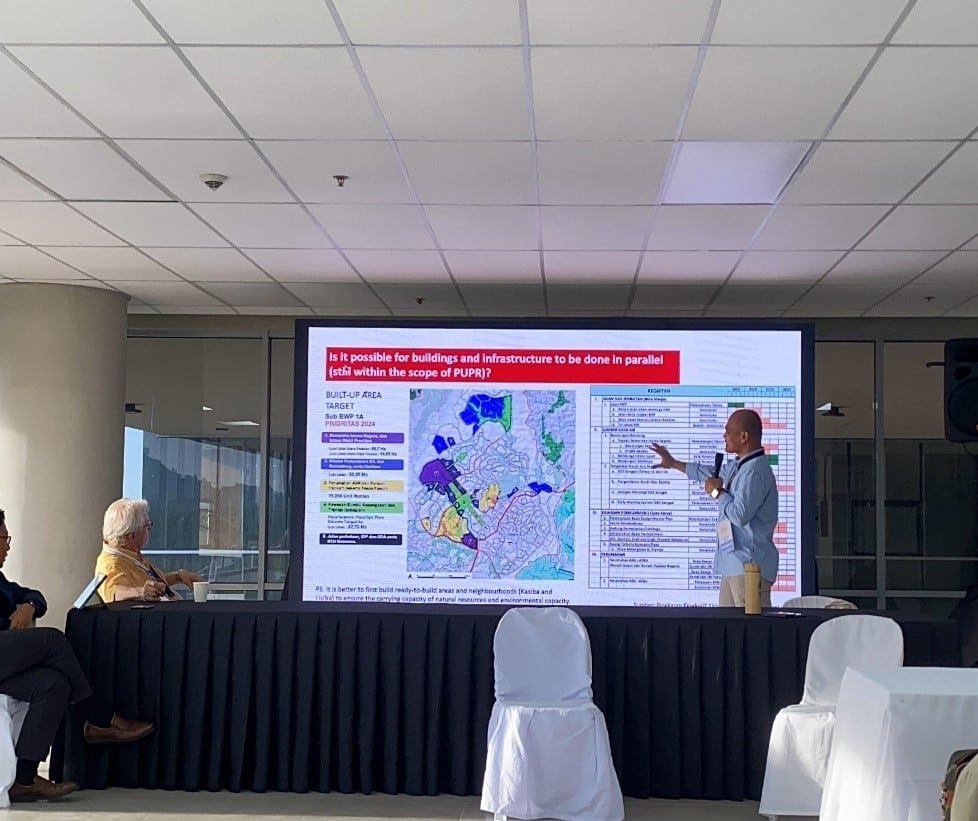
On the final day of the conference, Andy concluded the event by presenting a report on the outcomes of the various tracks covered throughout the conference. He reiterated the critical importance of regenerative cities in the face of growing urban populations, with 56% of the world’s population now living in cities. This rapid urbanization, coupled with the fact that cities occupy only 3% of the planet’s land area but consume 60-80% of the world’s energy, underscores the urgent need for innovative, sustainable urban development strategies.
Andy highlighted how cities have evolved for thousands of years, driven by technological advancements, yet they must now do so within the limits of planetary boundaries. “Our earth has become an urban planet,” he emphasized, “but it also has its limits.” Urban planners, therefore, must push forward in designing cities that not only grow and adapt but also regenerate—drawing from nature and incorporating cutting-edge technology to reduce their environmental footprint.
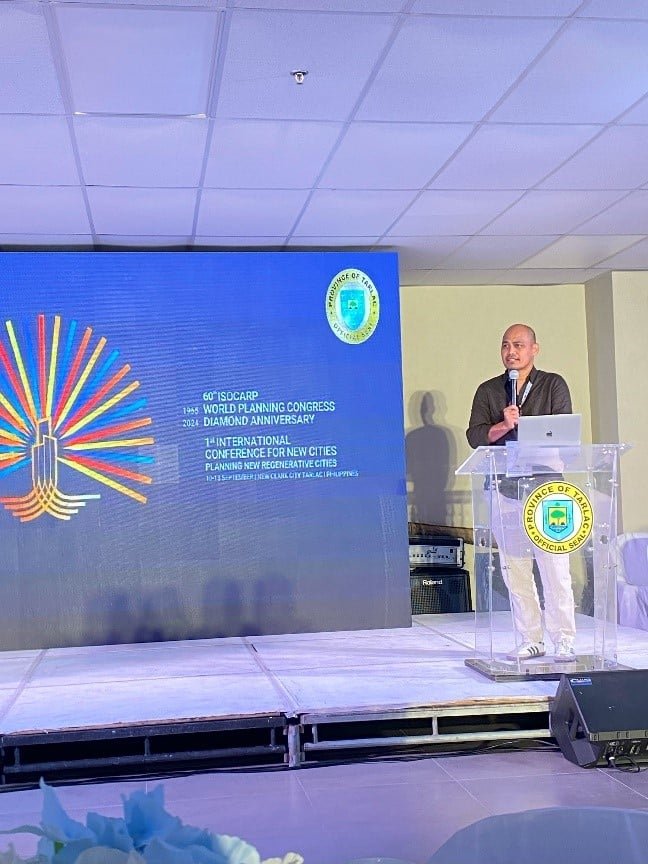
He closed by encouraging participants to take the lessons learned at the conference back to their respective cities, to work collaboratively toward creating regenerative cities that will be sustainable for future generations. “Our future depends on how well we can create these regenerative cities,” Andy concluded, inspiring attendees to take bold actions in reshaping the urban landscape of tomorrow.